
- Services & Solutions
Tackling Digital Tech Gaps, Seamlessly

- Industries
Industries We Serve: Real Impact, Real Businesses

- Resources
Global Talent, Local Impact: Offshore Insights


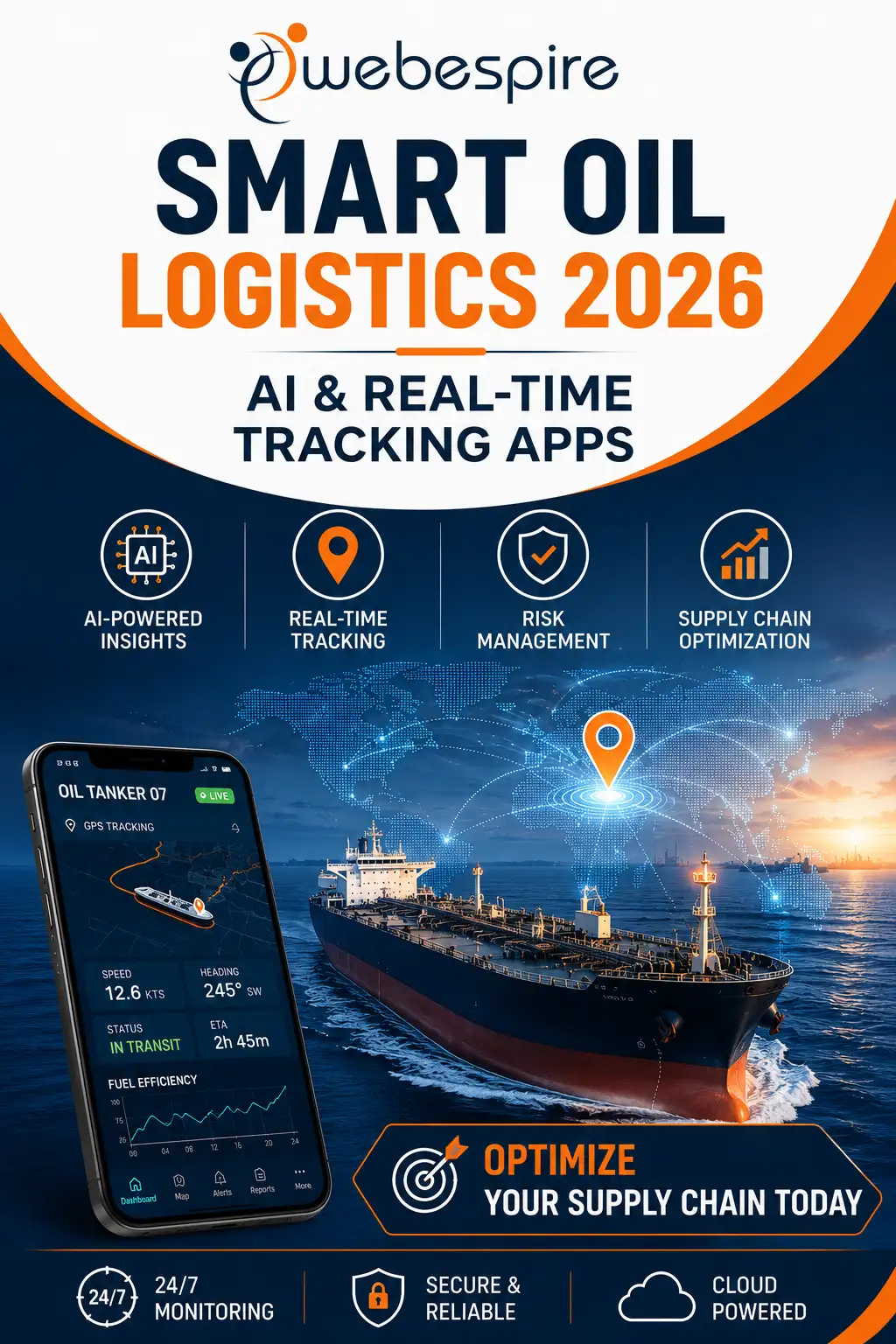
The Strait of Hormuz is one of the most critical global trade routes, handling nearly 20–30% of the world’s oil shipments. Any disruption in this narrow passage can send shockwaves across global economies, fuel prices, AI & Real-Time Tracking Apps.
In 2026, with rising geopolitical tensions and increasing demand for energy, businesses are no longer relying on traditional logistics systems. Instead, they are rapidly adopting AI-powered solutions and real-time tracking applications to ensure seamless operations, minimize risks, and maintain visibility across oil supply chains.
This blog explores how modern technologies are reshaping oil logistics and why investing in AI-driven fleet management and tracking systems is becoming essential for businesses worldwide.

The Strait of Hormuz connects major oil-producing countries like Saudi Arabia, Iran, and United Arab Emirates to global markets.
These challenges highlight the urgent need for digital transformation in logistics, especially using AI and mobile/web-based tracking platforms.
Artificial Intelligence is revolutionizing how oil supply chains operate—making them smarter, faster, and more resilient.
AI models analyze historical data, weather patterns, and geopolitical signals to predict potential disruptions in the Strait of Hormuz.
👉 Example: AI systems can forecast delays or route risks before they occur, allowing companies to act proactively.
AI-powered systems automatically suggest the most efficient and safest shipping routes.
✔ Reduced fuel costs
✔ Faster delivery timelines
✔ Improved operational efficiency
AI helps logistics managers make real-time decisions without manual intervention, especially during emergencies.
AI predicts global oil demand trends, helping businesses manage inventory and avoid shortages or overstocking.
Real-time tracking apps are the backbone of modern logistics systems, especially in high-risk zones like the Strait of Hormuz.
Track oil tankers and shipments in real time with accurate location data.
Get alerts for route deviations, delays, or security risks.
Monitor multiple fleets from a single web-based platform.
Ensure sensitive logistics data is protected with advanced cybersecurity measures.
When AI and real-time tracking apps system are integrated, they create a powerful ecosystem:
👉 Result: Smarter, safer, and faster oil supply chain operations
Know exactly where your shipments are at all times.
Optimize routes and reduce fuel consumption.
Avoid disruptions with predictive insights.
Deliver shipments on time with accurate updates.
Easily manage large fleets with cloud-based platforms.
These technologies will further strengthen supply chains, especially in critical routes like the Strait of Hormuz.
If your business deals with oil, gas, or global shipping, relying on outdated systems can cost you millions.
A custom logistics or fleet management app can help you:
It is a major chokepoint through which a significant portion of the world’s oil passes, making it critical for global energy markets.
AI improves route planning, predicts risks, and enhances decision-making in real time.
These are mobile/web applications that provide live updates on shipment locations and logistics operations.
Yes, many SaaS-based platforms make AI-powered logistics accessible and affordable for small and medium businesses.
Modern apps use advanced encryption and cybersecurity measures to protect sensitive data.
At Webespire Consulting, we specialize in building AI-powered logistics software, fleet management systems, and real-time tracking apps tailored to your business needs.
👉 Whether you’re a startup or an enterprise, we can help you:
📞 Get in touch today and future-proof your supply chain with cutting-edge technology!
🌐 Website: https://webespire.com
📧 Email: info@webespire.com


