
- Services & Solutions
Tackling Digital Tech Gaps, Seamlessly

- Industries
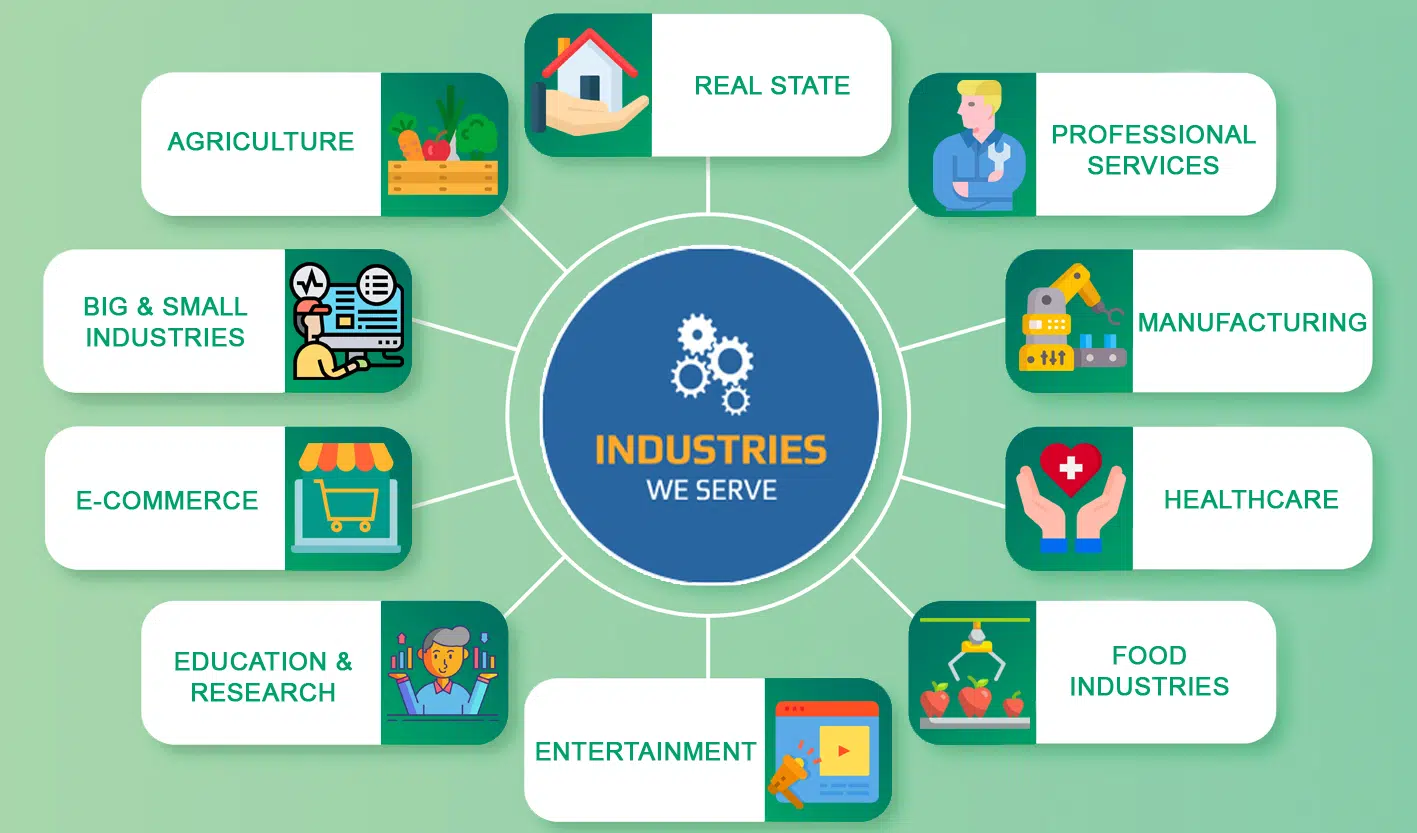
Industries We Serve: Real Impact, Real Businesses

- Resources
Global Talent, Local Impact: Offshore Insights



In 2026, digital strategy is no longer optional—it is the foundation of business growth, competitiveness, and long-term survival. Whether you are a startup, a small business, or a growing enterprise, your success increasingly depends on how well you use digital tools, platforms, and technologies to reach customers, streamline operations, and make smarter decisions.
Businesses that invest in a clear, future-ready digital strategy are scaling faster, adapting quicker to market changes, and building stronger relationships with their customers. Those that don’t are struggling to stay visible, relevant, and profitable.
A digital strategy is a comprehensive plan that outlines how a business utilises digital technologies to achieve its objectives. It goes beyond just having a website or running ads—it connects technology, marketing, operations, data, and customer experience into one unified approach.
A strong digital strategy typically includes:
In simple terms, a digital strategy ensures that every digital action supports business growth.
In 2026, customers research, compare, and decide online before contacting a business. If your brand is not visible on search engines, AI-driven platforms, and digital channels, you are losing customers to competitors who are.
A digital strategy ensures your business:
Artificial intelligence, automation, and smart tools are no longer limited to large enterprises. Growing businesses now use AI for:
Without a digital strategy, businesses risk falling behind in efficiency and innovation.
Your competitors are investing in:
A digital strategy helps you compete smarter, not just harder, by using technology to reduce costs and improve performance.
In 2026, gut feeling is replaced by data-backed decisions. A strong digital strategy allows businesses to:
This leads to better planning, reduced risks, and higher profitability.
Growing businesses need systems that scale smoothly. Digital strategies built on cloud platforms, automation, and modern IT infrastructure allow companies to:
Your website is your digital headquarters. In 2026, it must be:
A poorly performing website can damage credibility and sales.
SEO in 2026 is not just about Google—it’s about visibility across AI-powered search platforms. A modern strategy includes:
Content is still king—but helpful, human, and expert-driven content wins. Blogs, guides, videos, and case studies help businesses:
A strong strategy aligns:
This ensures consistent messaging and better ROI.
Cybersecurity threats are rising in 2026. Digital strategies must include:
A mid-sized service business with no clear digital plan relied on referrals and outdated software. After implementing a structured digital strategy—a modern website, SEO, cloud systems, and analytics—the company:
This transformation was achieved by aligning technology with business goals—exactly what a digital strategy is meant to do.
Creating and executing a digital strategy requires technical expertise, market understanding, and continuous optimization. This is why businesses partner with consulting firms like Webespire Consulting, which specialize in:
Expert guidance ensures your strategy is not only effective today but future-ready for tomorrow.
The biggest benefit is sustainable growth through better visibility, smarter operations, and data-driven decisions.
No. Small and growing businesses benefit the most because digital tools help them compete with larger brands efficiently.
At least once a year, or whenever there are major changes in technology, market trends, or business goals.
Yes. SEO has evolved but remains critical for visibility on search engines and AI-powered platforms.
Absolutely. Automation, cloud solutions, and optimized marketing significantly reduce operational and acquisition costs.
In 2026, a strong digital strategy is not about trends—it’s about survival and growth. Businesses that align technology, marketing, and data into a clear plan will lead their industries, while others risk falling behind.
A future-ready digital strategy helps you attract the right customers, operate efficiently, and scale confidently in an increasingly digital world.
Ready to future-proof your business with a powerful digital strategy?
👉 Get a free digital strategy consultation with Webespire Consulting today.
🌐 Website: www.webespire.com
📧 Email: info@webespire.com
Let’s build a smarter, scalable, and successful digital future—together.