
- Services & Solutions
Tackling Digital Tech Gaps, Seamlessly

- Industries
Industries We Serve: Real Impact, Real Businesses

- Resources
Global Talent, Local Impact: Offshore Insights



In 2026, app stores will no longer be the only places where mobile experiences happen. Today, businesses are always under pressure to provide fast, reliable, and interesting digital experiences without raising development costs or splitting their user base. This is where Progressive Web Apps (PWAs) come in.
PWAs used to be seen as an alternative to native apps, but now they are a key digital asset for businesses that want to grow. They combine the best features of web and mobile apps, letting you use app-like features right in your browser without having to download or update anything.
More and more businesses are choosing PWAs as part of their digital transformation plans at Webespire Consulting. In 2026, this change won’t just be a trend; it will be necessary for businesses to stay ahead of the competition.
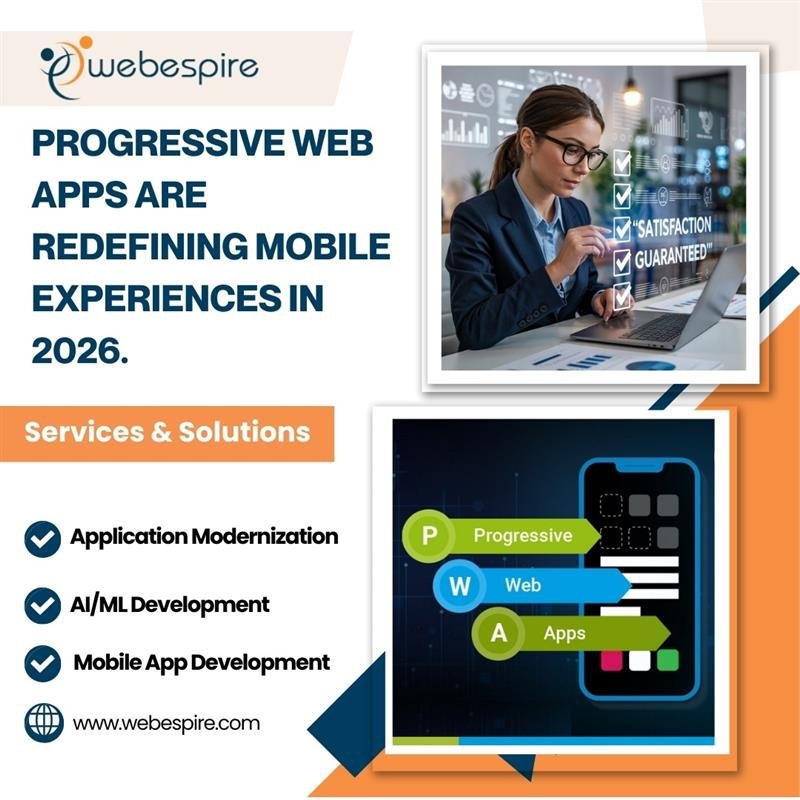
A Progressive Web App is a web application built using modern web technologies that behaves like a native mobile app. PWAs work seamlessly across devices, load instantly, function offline or on low networks, and can be installed on a user’s home screen—without going through an app store.
Unlike traditional websites, PWAs are designed with performance, reliability, and engagement at their core.
Key characteristics of PWAs include:
In 2026, these capabilities have matured significantly, making PWAs a powerful alternative to native mobile apps.
Attention spans are getting shorter, and the bar for mobile performance is being raised. Research shows that even a one-second delay in page loading can lead to a drastic decrease in conversions.
PWAs use cutting-edge caching, service workers, and lightweight architecture to provide near-instant loading times, even on a slow internet connection. This makes PWAs the perfect solution for developing countries, remote workers, and busy professionals.
For businesses, faster experiences directly translate into:
In 2026, businesses can no longer afford to maintain separate platforms for Android, iOS, and web. PWAs eliminate this complexity by offering a single codebase that works everywhere.
This unified approach allows organizations to:
At Webespire Consulting, we often recommend PWAs to startups and enterprises alike because they scale efficiently without technical debt.
Today’s users demand access, even in situations where connectivity is unreliable. PWAs shine in this regard, allowing for offline or low network functionality.
Whether it’s browsing products, reading content, or filling out forms, PWAs provide uninterrupted experiences. This is what instills confidence and retains users.
In the year 2026, offline-first design is no longer a nicety—it’s an expectation.
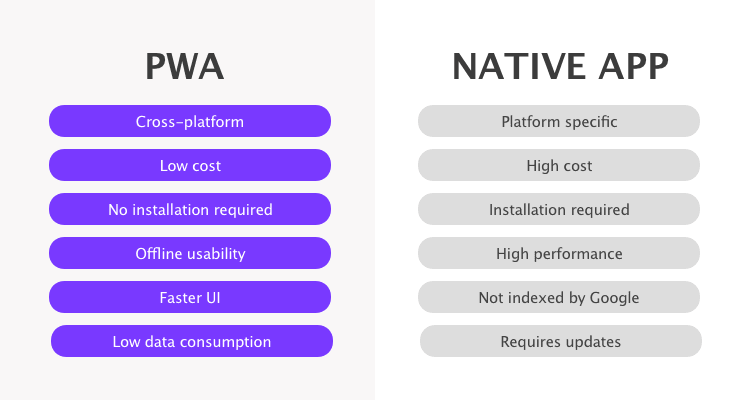
While native apps still have their place, the gap between native and PWA performance has narrowed dramatically.
| Feature | Native Apps | Progressive Web Apps |
|---|---|---|
| Installation | App store required | Direct from browser |
| Updates | Direct from the browser | Instant |
| Cost | High | Cost-effective |
| Offline Mode | Yes | Yes |
| SEO Visibility | No | Yes |
| Cross-platform | No | Yes |
For many businesses, PWAs now deliver 90% of native functionality at a fraction of the cost.
One of the biggest advantages of PWAs—especially for marketing-driven businesses—is search engine visibility.
Because PWAs are still web-based:
In 2026, search engines favor performance-driven, user-centric experiences, making PWAs a strong SEO asset.
When implemented correctly, PWAs can significantly improve:
This is why Webespire Consulting aligns PWA development with SEO and content strategy, not just technology.
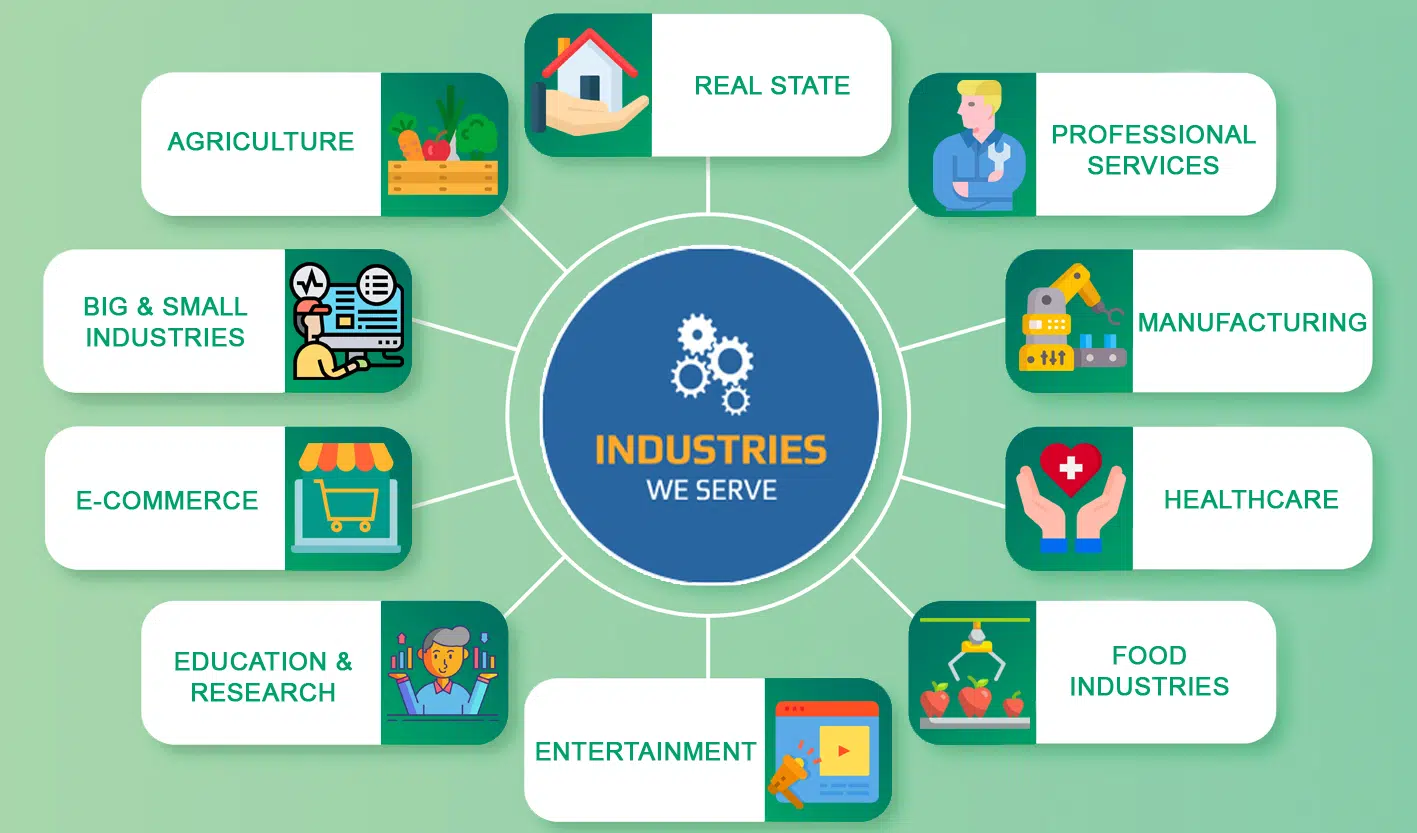
PWAs are not limited to one sector. Their flexibility makes them ideal for:
PWAs operate over HTTPS, ensuring secure data exchange. Combined with modern authentication methods and performance optimization techniques, they offer enterprise-grade reliability.
In 2026, PWAs also integrate seamlessly with:
This makes them future-proof and adaptable as business needs evolve.
At Webespire Consulting, we don’t just build PWAs—we design business-ready digital experiences.
Our approach includes:
We believe technology should drive measurable growth, not just look impressive.
PWAs are evolving rapidly. With deeper integration into device hardware, improved browser APIs, and AI-powered personalization, the line between native apps and PWAs will continue to blur.
For forward-thinking businesses, adopting PWAs today means staying ahead of digital expectations tomorrow.
The biggest advantage is delivering app-like performance without the cost, complexity, and friction of native app development.
Yes. Many enterprises now use PWAs to improve performance, reduce costs, and unify digital experiences.
Yes. Modern browsers on both platforms fully support Progressive Web Apps.
In many cases, yes. However, highly hardware-dependent applications may still require native development.
Absolutely. PWAs are web-based and can significantly improve search visibility when optimized correctly.
If your business wants to deliver faster, smarter, and more engaging mobile experiences, now is the time to explore Progressive Web Apps.
Let Webespire Consulting help you design and develop a PWA that aligns with your growth goals.
🌐 Website: www.webespire.com
📧 Email: info@webespire.com
Transform your digital presence—one intelligent experience at a time.