Custom Software vs SaaS: Which Is Better for Your Business?
When a SaaS subscription is enough, when custom software pays off and how to compare total cost over five years.

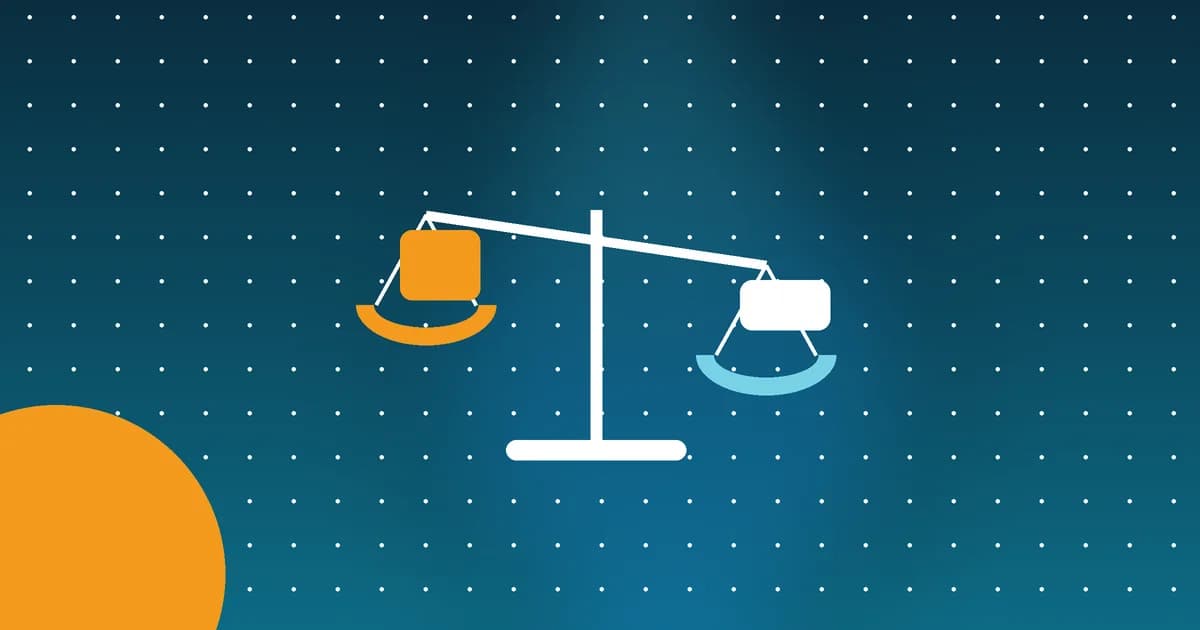
Subscribe to a SaaS product when your process is common, the tool covers most of your needs and speed matters more than differentiation. Build custom software when the process is part of how you compete, existing tools force costly workarounds, or integration and data ownership requirements rule out standard products. Many businesses combine both: SaaS for standard functions such as accounting or email, and custom software where their workflow is unique.
What Each Option Means
SaaS (software as a service) is a ready-made product you subscribe to and use through a browser or app. The vendor hosts, maintains and updates it, and you share the roadmap with every other customer.
Custom software is built for your organization. You decide the features, workflows and integrations, you own the result, and you take responsibility for hosting, maintenance and improvements, directly or through a partner.
How They Compare
| Factor | SaaS subscription | Custom software |
|---|---|---|
| Time to value | Days or weeks | Months, by scope |
| Upfront cost | Low | Higher |
| Ongoing cost | Per-user fees rising with growth | Hosting, support, enhancements |
| Fit to your process | You adapt to the tool | The tool adapts to you |
| Integration | Limited to vendor APIs | Designed around your systems |
| Data and control | Vendor terms and roadmap | Yours |
| Differentiation | Same as competitors | Can be unique |
Thinking in Five-Year Cost
Subscriptions look inexpensive for a small team but scale with users, add-ons and price changes. Custom software concentrates cost at the start and then mostly needs maintenance and planned improvements. Model both options over five years, including:
- licence or subscription fees at expected user numbers;
- implementation, configuration and training;
- integration work and workarounds;
- hosting, support and enhancements for custom software;
- the cost of switching if the vendor changes terms.
A Decision Checklist
- Is this process part of how you win customers? If yes, lean custom.
- Does a SaaS product meet most requirements without workarounds? If yes, lean SaaS.
- How many systems must connect, and how deeply?
- What are your data residency and compliance needs?
- Can your team, or a partner, maintain custom software long term?
Hidden Costs on Both Sides
SaaS products can carry hidden costs: paid add-ons for features you assumed were included, integration tools to connect them to other systems, and staff time spent on manual workarounds. Custom software has its own: maintenance, security updates, hosting and the need to keep knowledge in the team. Neither set of costs is a reason to rule an option out; they simply belong in the comparison.
The Hybrid Path
A common approach is to keep a SaaS product as the system of record, such as a CRM, and build custom applications or integrations around it. This avoids rebuilding standard features while giving you control where it matters. If you plan to sell your own software to other businesses, the guidance in custom SaaS development: architecture, cost and timeline applies, and how to choose a SaaS development company explains what to look for in a partner. Quality and communication considerations for custom builds are explored in custom software development services in Japan.
How Webespire Consulting Can Help
We help businesses make this decision on evidence. Our custom software development team scopes bespoke systems, and our API development and integration engineers connect SaaS tools to the rest of your operations. If a subscription product is the better choice, we will say so and help you implement it.
Frequently Asked Questions
Is custom software always more expensive?
Upfront, usually. Over several years it can cost less than per-user subscriptions at scale.
Can we start with SaaS and move to custom later?
Yes. Make sure you can export your data in a usable format before you commit to a vendor.
Who maintains custom software after launch?
Your team or a partner under a support agreement; budget for it from the start.
Conclusion
Use SaaS where a standard tool genuinely fits, and invest in custom software where your process sets you apart or integration needs demand it. Compare options on five-year cost, fit and control rather than upfront price alone. Start by listing your requirements and checking how many a SaaS product meets without workarounds.
Business Decision Summary
- Common process, quick need: SaaS.
- Competitive process or deep integration: custom.
- Both apply: SaaS core with custom tools around it.
- Always: model five-year cost and check data export.
Comparing SaaS and custom options? Email info@webespire.com or visit webespire.com.