Custom SaaS Development: Architecture, Cost and Timeline
The architecture components, cost drivers and phased timeline involved in custom SaaS development, with the early decisions that matter most.

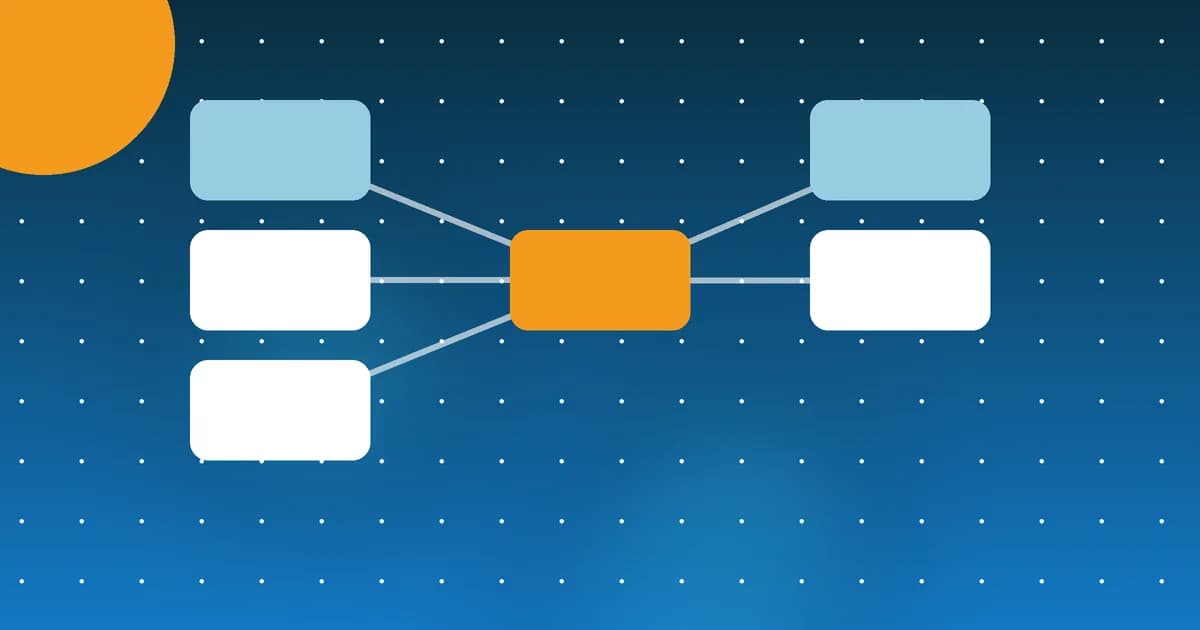
Custom SaaS development means designing and building your own subscription software rather than adapting an existing product. A typical platform includes a web application, an API layer, a database designed for multiple customers, authentication, billing, background jobs and monitoring, all deployed through an automated pipeline. Cost and timeline depend on how many of these components need custom work, how complex your domain logic is and how many integrations you need. This guide explains each component, the cost drivers and a realistic phased plan.
Core Architecture Components
Front end
The web application users interact with, often built with a modern JavaScript framework. Mobile apps may follow later.
API and business logic
The layer that enforces rules, processes data and connects to other systems. A clean API also makes future integrations and mobile apps easier.
Data layer and tenancy
A database structured so each customer's data stays isolated. The main patterns are shared tables with a tenant identifier, a separate schema per customer, or a separate database per customer. Each trades cost and simplicity against isolation, so choose based on your customers' security expectations and expected scale.
Identity and access
Sign-in, roles, permissions and often single sign-on for business customers.
Billing
Plans, trials, invoices, taxes and payment failures, usually through a specialist billing platform.
Background processing
Email, reports, imports and scheduled jobs that should not slow the user interface.
Observability and operations
Logs, metrics, alerts, backups and a deployment pipeline with rollbacks.
What Drives Cost
- Domain complexity: rules, calculations and workflows specific to your industry.
- Number of user roles and permissions.
- Integrations with CRMs, accounting tools, data providers or customer systems.
- Compliance needs, such as audit logs or data residency.
- Build versus buy choices: using proven services for authentication, billing and email reduces custom work.
- Team model and location; see how to choose a SaaS development company.
A Phased Timeline
| Phase | Focus |
|---|---|
| Discovery and architecture | Requirements, tenancy model, technology choices |
| Foundation | Authentication, data model, deployment pipeline |
| Core features | The main workflows that deliver value |
| Billing and onboarding | Plans, payments, self-service sign-up |
| Hardening | Security review, performance, monitoring |
| Launch and iteration | Early customers, feedback, improvements |
Each phase ends with a demo and a decision point. The exact duration depends on scope, so ask for estimates per phase with ranges.
Build Versus Buy, Component by Component
Most SaaS products should buy, not build, their commodity pieces. Authentication, billing, transactional email, file storage and error tracking are available as mature services, and using them shortens timelines and reduces security risk. Custom engineering effort is better spent on the workflows, rules and data models that make your product different. Review this list at each phase, because a service that fits early may need replacing once volumes grow.
Early Decisions That Matter
- Tenancy model and how customer data is isolated.
- Which components to buy as services.
- Hosting region and data residency.
- How the API will be versioned for future integrations.
Common Mistakes
- Building a custom billing engine when a proven platform would do.
- Postponing monitoring and backups until after launch.
- Designing for one customer and discovering later that tenancy was an afterthought.
For a view of how a product evolves after the first release, read from SaaS MVP to scalable product.
How Webespire Consulting Can Help
Our SaaS development team designs the architecture, estimates each phase and builds the platform in sprints, while our API development and integration engineers connect it to the systems your customers already use. We recommend proven services wherever they save time and money.
Frequently Asked Questions
Is custom SaaS more expensive than white-label software?
Usually upfront, yes. It gives you control, differentiation and ownership that white-label products cannot.
Which cloud provider should we use?
Choose based on your team's skills, customers' expectations and required regions. All major providers can host SaaS well.
Can we launch without billing?
Some products start with manual invoicing for early customers, then add self-service billing once demand is proven.
Conclusion
Custom SaaS development combines a familiar set of components with the domain logic that makes your product unique. Decide tenancy, build-versus-buy and hosting early, plan in phases with demos and keep monitoring and security in scope from the start. Begin with a discovery phase that settles those decisions.
Important Things to Know
- Most SaaS platforms share the same core components.
- Domain logic and integrations drive cost most.
- Buy billing, email and authentication where possible.
- Plan phases with demos and decision points.
Planning your SaaS architecture? Email info@webespire.com or visit webespire.com.