
How to Choose an MVP Development Company for Your Startup
The evidence, questions and comparison method that help startups choose an MVP development company they can rely on.

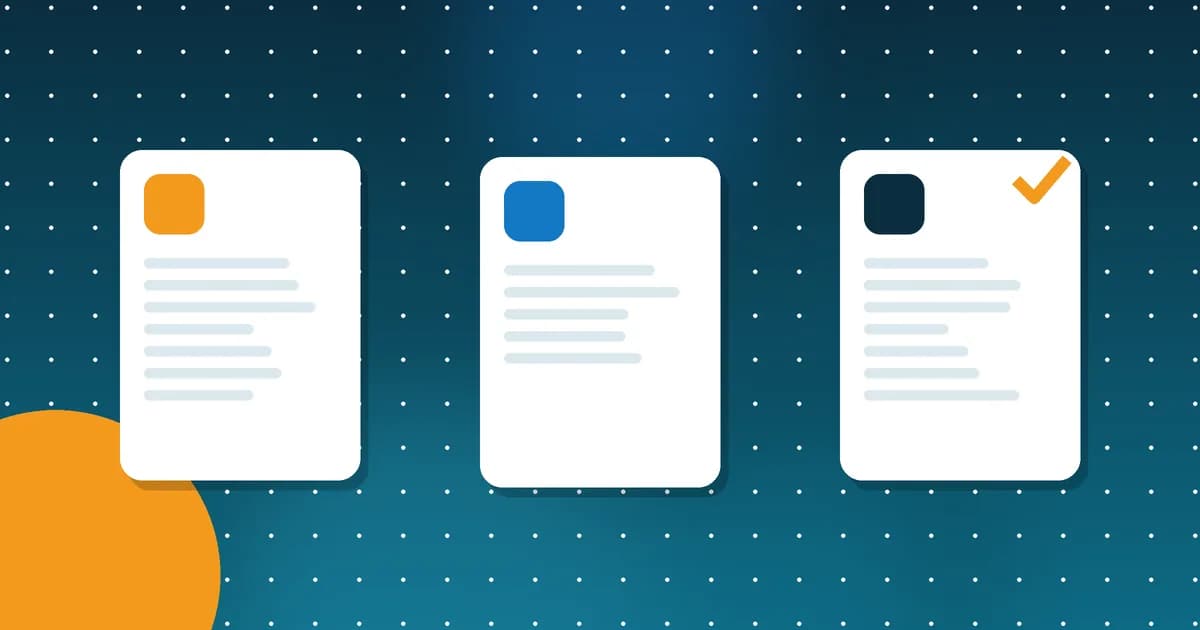
Choose an MVP development company by the quality of its questions, the evidence of similar work and the transparency of its process, not by the lowest quote. The right partner wants to understand your users and hypothesis before proposing technology, introduces the people who will build your product, shows how progress is reported and gives an estimate broken down by feature. This guide lists what to look for, what to ask and how to compare proposals fairly.
What a Good MVP Partner Looks Like
- Product thinking: they challenge features that do not serve the core hypothesis.
- Relevant experience: similar products, platforms or integrations, with work you can see.
- Visible process: discovery, sprint demos, written reports and a clear definition of done.
- Engineering quality: automated tests, code review and documented deployment.
- Fair ownership terms: your company owns code, accounts and designs.
Questions to Ask in the First Meetings
- What would you cut from our feature list, and why?
- Who will work on our product, and can we meet them?
- How do you estimate, and what assumptions sit behind the numbers?
- How will we see progress each week?
- What happens if scope changes mid-build?
- How do you hand over code and documentation?
- Can we speak to two founders you have worked with?
How to Compare Proposals
Put proposals side by side and compare line by line.
| Compare | Why it matters |
|---|---|
| Feature list and assumptions | Totals mean nothing if scope differs |
| Team composition | Seniority affects speed and quality |
| Discovery phase | Reduces risk before major spending |
| Testing approach | Prevents expensive defects after launch |
| Post-launch support | Most changes come after real users arrive |
| Ownership and exit terms | Protects your ability to switch partners |
Use the drivers in how much does MVP development cost in 2027 to understand why quotes differ. Also check the pricing structure: a fixed price for a loosely defined scope usually hides a large contingency, while an hourly proposal should come with a budget cap and weekly reporting.
Warning Signs
- A fixed price given before any discovery or questions.
- No access to engineers until after signing.
- Vague answers about testing or deployment.
- Pressure to add features that increase the quote without improving learning.
- Accounts or repositories set up in the vendor's name.
Check How They Handle Risk
Ask each company to describe a project that went wrong and what they changed afterwards. Experienced teams answer specifically: an integration that behaved differently than documented, a scope change that needed renegotiating, a performance issue found late. Vague answers, or claims that nothing ever goes wrong, suggest a team that will hide problems rather than raise them early. Also ask how they flag risks during a sprint, and who on their side is accountable for telling you bad news.
Fit Matters Too
Time-zone overlap, language and communication style matter for a months-long collaboration. Run a short discovery engagement first; how a partner handles that small piece of work predicts how they will handle the build. Founders without a technical background should also read the non-technical founder's MVP guide.
How Webespire Consulting Can Help
We expect to be evaluated carefully. For MVPs built through our SaaS development and web application development services, we share team profiles, sample sprint reports and a scoped discovery proposal before any long commitment. Code, designs and accounts belong to you from the start.
Frequently Asked Questions
Should I choose a local or offshore MVP company?
Either can work. Overlap hours, communication and evidence of similar work matter more than location.
How many companies should I talk to?
Three is usually enough to compare approaches without delaying the decision.
Is a paid discovery phase worth it?
Usually. It turns assumptions into a prioritized backlog and makes the build estimate far more reliable.
For a complementary perspective, read Product Discovery vs Prototype vs MVP: Key Differences.
Conclusion
The right MVP development company asks hard questions, shows its work and its people, explains estimates and protects your ownership. Compare proposals line by line, watch for warning signs and test the relationship with a short discovery phase. A careful choice now saves months later.
Practical Checklist
- Partner challenged your feature list.
- You met the engineers who will build it.
- Estimate broken down by feature with assumptions.
- Testing, demos and reporting described.
- Code, accounts and designs owned by you.
Choosing a partner for your MVP? Email info@webespire.com or visit webespire.com.